
Building resilience long before crisis strikes
Resilience is built over time, but it is tested in moments of crisis.
In those moments, speed and coordination determine whether families stabilise or spiral. Our "Spring to Action" platform is designed for rapid mobilisation, structured coordination, and locally anchored emergency response.
Crises are becoming more frequent and more complex, many intensified by climate change. Heatwaves grow longer, floods displace thousands, and outbreaks strain already fragile systems.
A single shock can push vulnerable households into debt, disrupt livelihoods, and overwhelm stretched health services.When crisis strikes, we stabilise what families have built — protecting health, income, and dignity so temporary shocks do not become permanent setbacks. Emergency response is resilience in action when it matters most.
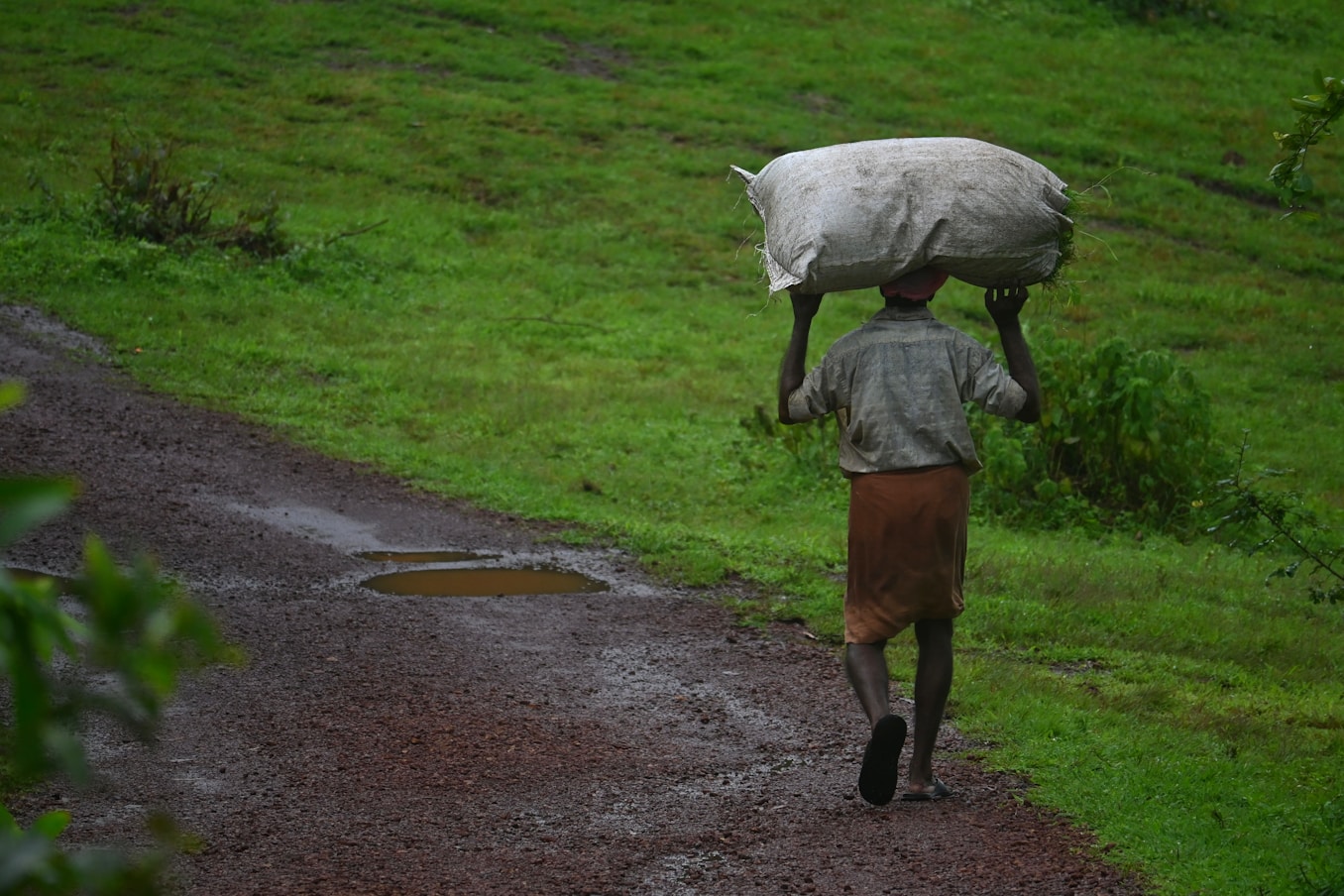
Our emergency response strategy mobilises CAC's network to deliver swift, community-centred action during crises. By activating trusted local members in affected areas, we receive on-ground information on the the extent of damage and distress and the needs of affected communities, for better targeting of response.
Local organisations in affected geographies mobilised to anchor response efforts.
On-ground partner teams assess urgent needs, identify service gaps, and prioritise vulnerable populations.
CAC aligns civil society organisations, community leaders, and relevant authorities to ensure coherent and complementary action.
Funding, supplies, and volunteers are channelled efficiently and equitably through trusted local partners.
Delivery is guided by clear communication, transparency, and accountability at every stage.
Our partners have played a critical role in disaster recovery efforts, from supporting cyclone recovery in Gujarat to providing flood relief in Odisha.
When floods devastated Assam's districts of Hailakandi, Nagaon, West Karbi Anglong, and Darrang in 2023, CAC and its member organisations—Vrutti, VHA Tripura, FXB India, and Swayam Shiksha Prayog—sprang into action. Together, we reached over 9,000 affected individuals, delivering essential hygiene supplies, dry rations, and fodder kits.
In October and November 2022, floods severely impacted Maharashtra's Amravati, Yavatmal, and Raigad districts. In response, CAC collaborated with member organisations Navchetna Yuva Vikas Sanstha and Savithri Adivasi Cooperative Sanstha to deliver critical relief. Together, we distributed 1,373 shelter kits, benefitting 6,000 individuals.
Following the Odisha train accident in June 2023, which impacted over 1,500 individuals, CAC mobilised its network of partners, donors, and volunteers for immediate action. Within 12 hours, UDYAMA and other on-ground members began relief efforts, distributing ration kits, food supplies, wheelchairs, and supporting last rites requirements.
Orchestrating disaster response
Andhra Pradesh
Rajasthan
Delhi
Uttarakhand
NTR District, Andhra Pradesh
NTR District, Andhra Pradesh
Vijayawada, Andhra Pradesh
Tripura
Gujarat
Chennai & Tiruvallur, Tamil Nadu
Chennai & Chengalpattu, Tamil Nadu
Gujarat
East Delhi
Delhi
Punjab
New Delhi
Himachal Pradesh
Kutch, Gujarat
Balasore, Cuttack & Bhadrak, Odisha
In October 2025, Cyclone Montha made landfall near Kakinada, significantly affecting coastal communities in Andhra Pradesh. Strong winds and heavy rainfall caused damage to homes and disrupted access to essential supplies for many vulnerable families. The emergency response was coordinated through Santhivardhana Ministries, an organisation experienced in providing community-based relief support in disaster-affected areas. Through local coordination and rapid needs assessment, essential food support was identified as a priority for affected households. Based on this assessment, 330 ration kits were distributed, supporting approximately 330 families in the affected communities.
Stay informed with the latest opportunities to learn, connect and solve!