
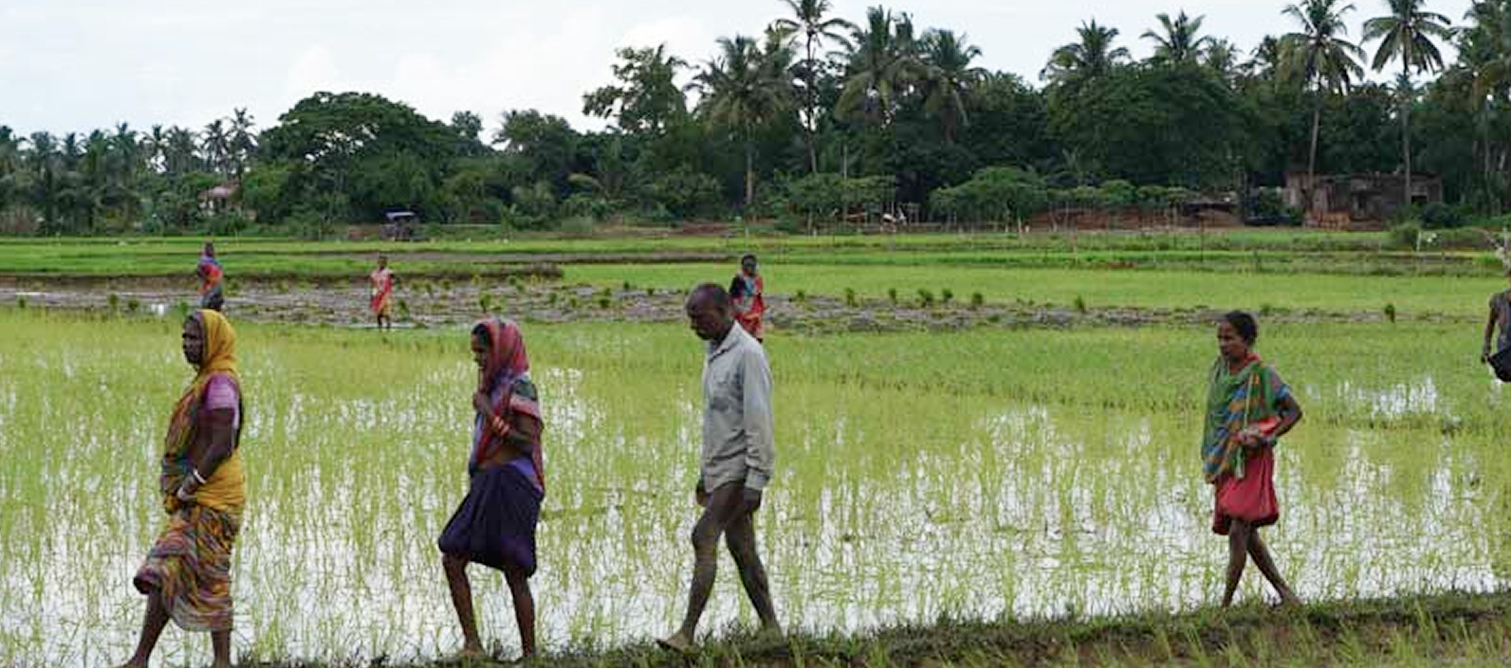


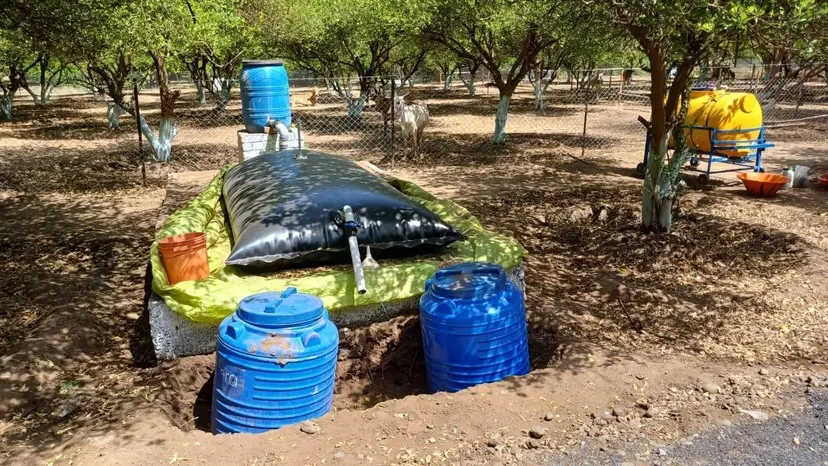
On this National Farmers Day, I write about positive movements that are helping build resiliency for our agriculture. The governments both at the central and state levels have taken an energetic push towards sustainable agriculture, and more specifically natural farming to achieve multiple objectives: improve farmers profitability through lowering input costs, restoring soil fertility and farmland ecology, improve the availability of safe and quality food, and generating rural employment.
Prominent initiatives driving this shift include the APCNF – the Andhra Pradesh Community Managed Natural Farming (APCNF) in Andhra Pradesh, the Dr. Panjabrao Deshmukh Natural Farming Mission in Maharashtra in Maharashtra – both at the state level, and the BPKP – Bharatiya Prakritik Krishi Paddhati by the central government. Well before these, the PGS – Participatory Guarantee System of India, a decentralized organic farming certification system, brought all stakeholders together, producers and consumers, on a quality focused mission for produce along with an independent certification system. Apart from these, as an institution, the National Centre for Organic and Natural Farming along with five regional centers of it has the mandate for various programs, policies, facilities, research and outreach towards reduced chemical/chemical free agriculture systems of organic, natural, regenerative farming etc.
Despite these initiatives, the urgency for robust solutions is underscored by persistent challenges:
1: Rampant use of chemical inputs leading to degradation of soil health, contamination of water bodies, resistance and mutations in pests and diseases, rise of super weeds and other negative ecosystem impacts.
2: Inadequate use of protective gear being used while mixing, spraying these agro chemical inputs endangering farmer and/or farm labour health
3: The prevalence of spurious quality inputs like seeds that don’t germinate, fertilizers, pesticides that contain poor quality ingredients or don’t have any that are mentioned in the label, microbial cultures that don’t have the potency as advertised etc
4: Climate change exacerbates risks through extreme variability in weather patterns along with higher intensity of storms and droughts
5: Farmers getting rid of their livestock for various reasons – such as lack of fodder and feed, lack of low cost veterinary help, and lack of labour. This cuts off their supply of homegrown organic manure from cattle dung, and pushes them towards reliance on chemical inputs as substitutes.
Transitioning farmers towards prioritising soil health, producing their own natural inputs requires significant behavior, and attitude change. There are many challenges well intentioned new farmers as well as farmers that want to sustain their practices of natural farming face. Poor Knowledge dissemination results in lack of exposure to different bio-formulations and bio-inputs along with lack of handling, usage and storage. The availability of raw materials to make these mixes by farmers themselves along with hand holding impacts the quality of the bio-inputs.
Towards this, the National Coalition for Natural Farming (NCNF), a group of civil society organizations across the country, has promoted the concept of Bio-input Resource Centre (BRC). Broadly BRC can be thought about as an alternative to the local Krishi seva kendra that sells predominantly agro chemicals. As a for-profit enterprise, the Bio-input Resource Centre will make available locally prepared products specific to the agro-ecological zone, for purchase by local area farmers. These product formulations and ferments shall be biologically derived inputs or prepared from biological materials, botanical extracts that are useful for improving soil health, crop growth, pest or disease management and habitat management. BRCs can be promoted through different ownership models, as an enterprise supported by an FPO, CSO or out of individual/family initiative predominantly a farmer entrepreneur. Many examples of BRCs with these diverse ownership models are present out there, including women only community group running them etc.
BRCs would support the local farmers through the following ways :
- Mother cultures (bacterial, fungal) that could be purchased by farmers for further multiplication and usage in fields
- Sales of basic inputs like Cow Dung, Cow Urine, Neem Powder, Earthworms
- Sales of botanical extractions and concoctions like Jeevamrut, Dasaparni Ark
- Sales of stimulants/proteins like Fish Amino Acids, Egg Amino Acids, Soy Tonic
- Sales of traps, lures, bags etc
- Knowledge, support and training center for natural farming practices
- Sale of Seeds and Seedlings including for green manures
- Small machine/small implement/bull rentals like brush cutter, hacksaw, chaff cutter, pulverizer
There are many aspects to BRC setting up and executing that the NCNF has shared resources from shared experiences of many similar center’s set up by various NGO/CSO’s across the land over the past few years. Their training and capacity building is invaluable, the templates, the product selection, the pricing, the business model, the sales and marketing plans, quality control audits are keys to sustainability of these setups over time.
Our experience of promoting farmer family run BRC’s in Maharashtra, here are the observations:
- Success is built on relationships over time within the local community of farmers to gain their trust, it is built on hard work, honesty, and transparency when it comes to making, displaying and demonstrating these inputs.
- Tight handholding, constant mentoring by NGO, institutions, stakeholders involved is necessary, but the primary actor, the entrepreneur being receptive and resilient is the key. Rural businesses face challenges: ways of working, pace of working, payment culture, power outages, monsoon downtimes, logistics hardships, man animal conflicts and so many others that present all the time and anytime. The selection of the entrepreneur for the BRC thus becomes critical, the location of the BRC becomes important as well.
- Diversifying the catalogue, addressing urban audiences including nurseries, terrace gardeners, offerings including selling outputs like natural farm produce, doing community activities year around, investing significant time in marketing, demand planning goes a long way towards the sustainability of BRC as an enterprise
There is really not much of a choice in these times of dramatic climate change that is happening, but to make the farming community including our land more resilient, healthy, and holistic and the BRC as a local entity does just that in an impactful manner.
About the Author:
Ananth Krishna is the founder of Shekru foundation. A CAC member, Shekru Foundation works in the space of Agriculture extension online, offline by setting up Bio Input Resource Centers with farmer families to promote Organic/Bio/Natural Farming predominantly in Maharashtra state. Ananth is formally educated in engineering, spent years in Information Technology as a career globally but now has pivoted to agriculture as his passion and purpose in life finding it through many years of volunteering at Jagriti Yatra. His interests also include healthcare, traditions, rural life, backpacking and classical and folk music.