

“To live is to choose. But to choose well, you must know who you are and what you stand for, where you want to go and why you want to get there.”
― Kofi Annan
Empowerment is a shared responsibility—a responsibility of the people, by the people, and for the people—embracing individuals from diverse geographies and communities.
India, with its vast population of approximately 1.4 billion, is a land of diversity. People come from different backgrounds, societies, and economic and social strata, each facing unique challenges while contributing distinct knowledge, experiences, and learnings. Empowerment requires inclusive efforts that recognise these differences and generate opportunities for growth, equality, and progress across all sections of society.
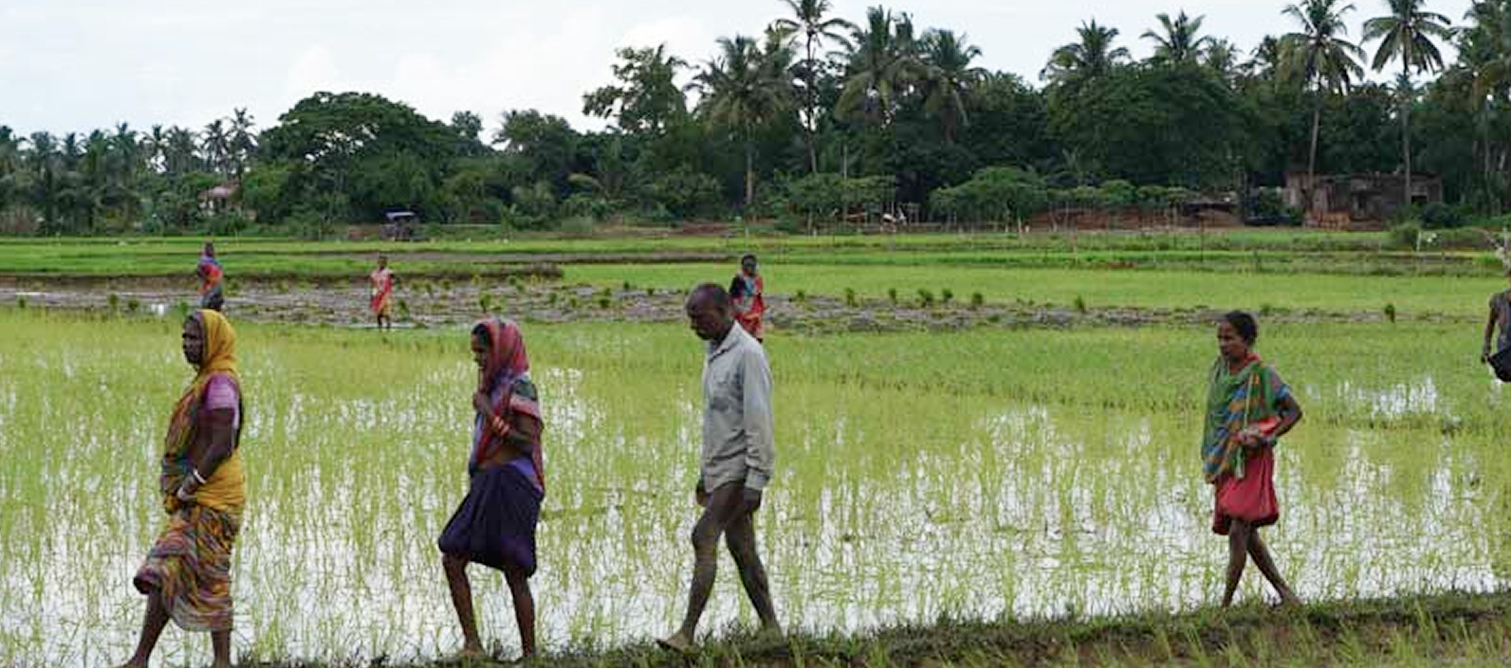
The Economic Survey 2022-23 notes, “65 percent (2021 data) of the country’s population lives in rural areas, and 47 percent of the population is dependent on agriculture for livelihood. Thus, the focus of the government on rural development is imperative. The government’s emphasis has been on improving the quality of life in rural areas to ensure more equitable and inclusive development. The aim of engagement of the government in the rural economy has been “transforming lives and livelihoods through proactive socio-economic inclusion, integration, and empowerment of rural India.” Link
What truly captures attention is how the government reaches remote and far-flung areas to empower people and strengthen Local Governance through its initiatives.
The government makes significant efforts to achieve the vision of “Viksit Bharat”. However, the journey toward inclusive development is not one that the government walks alone. Civil society organisations (CSOs) come as a bridge between the government and citizens, ensuring that policies and programmes reach the communities.
CSOs in India can be broadly classified as Non-Government Organizations (NGOs), Community-Based Organisations (CBOs), religious and faith-based organisations, membership associations, research organisations and think tanks, and youth and student organisations. Though they have been tagged under different categories, their aim is the welfare of people deprived of their rights and opportunities.
- Why Strengthening Local Governance?
When we talk about strengthening Local Governance, we think of rural India, which faces major challenges in accessing basic services like healthcare, sanitation, and education. Poor infrastructure is also a major concern, with unreliable water supply, limited electricity, and inadequate transportation making daily life difficult and slowing economic growth. These problems prevent communities from improving their living conditions and keep many stuck in a vicious circle.
Agriculture, the main source of livelihood for many, suffers due to low productivity, outdated farming methods, and soil degradation. Another big challenge is the lack of social inclusion of the communities. Women, Scheduled Castes, and Scheduled Tribes often struggle with discrimination and limited access to education, land, and jobs. Additionally, youth are leaving villages for better opportunities in cities. This migration reduces the local workforce, making rural development even harder.
- How does Partnering Hope Into Action (PHIA) contribute to strengthening Local Governance?
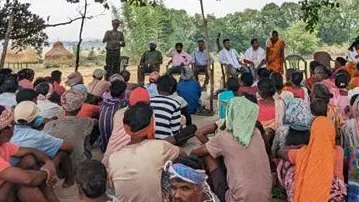
Civil Society assists the Government in developing plans, with the active participation of the community, using a participatory planning approach. Decentralising decision-making by empowering local government bodies like panchayats and community organisations allows for better identification of rural needs and more effective implementation of development programmes.
Partnering Hope Into Action works on a model to strengthen Local Governance through the initiative focused on enhancing community awareness of governance, social security schemes, and public health services. Gram Sabhas were strengthened as institutions of self-governance, driving integrated planning and implementation. Villages developed comprehensive Village Development Plans (VDPs) and Gram Panchayat Development Plans (GPDPs), ensuring alignment with community needs.
Communities are empowered to file forest rights claims, manage resources sustainably, and collaborate with Panchayats for transparent service delivery. Training programmes for elected ward members and community leaders enhanced their capacity to support governance processes and monitor services effectively. Health camps, issue-based meetings, and active follow-ups ensured better access to health and social security services for vulnerable populations.
Through collaboration, innovation, and grassroots engagement, both government agencies and CSOs. PHIA works hand in hand to extend empowerment initiatives to different parts of the country, making development inclusive and impactful.
Building Community Awareness: Educating people about governance, social security schemes, and public health services.
Strengthening Gram Sabhas: Enhancing Local Governance structures to make decision-making more participatory and inclusive.
Developing Village & Panchayat Plans: Facilitating Village Development Plans (VDPs) and Gram Panchayat Development Plans (GPDPs) to align with real community needs.
Enabling Access to Rights: Helping communities file forest rights claims, manage natural resources sustainably, and ensure transparent service delivery.
Training Local Leaders: Empowering ward members and community leaders to actively monitor and improve governance and services.
Ensuring Health & Social Security Access: Organising health camps, issue-based meetings, and follow-ups to connect vulnerable groups with essential services.
Through these efforts, we have seen:
Increased participation in Local Governance, with more community members engaging in Gram Sabhas.
Better resource management, as villages take charge of their land and forests.
Stronger leadership, with trained ward members and women leaders influencing local decision-making.
Improved access to services, ensuring that social security schemes benefit the right people.
The Power of Collaboration
PHIA Foundation’s success lies in its partnerships. By working closely with government bodies, civil society organisations, and local communities, help bridge the gap between policy and practice. Governance is strongest when it is inclusive—when every voice matters, and every community has the tools to build a better future.
As we continue to expand our impact, the question is not whether Local Governance matters—but how we can make it stronger, together.